
Mastering post-flop aggression is essential in modern poker, and one of the most important skills is understanding cbet poker strategy in relation to board texture. Continuation betting is not just about firing after the flop; it is about choosing the right size based on board interaction with ranges. When players adjust intelligently, they gain control, apply pressure, and force difficult decisions. Learning how textures affect sizing helps create a balanced and profitable approach for both cash games and tournaments.
Understanding Board Texture and Its Importance
Board texture determines how well the flop interacts with both players’ ranges. Dry boards with disconnected cards often favor smaller continuation bets, while wet boards with multiple draws require more careful sizing. Recognizing these differences helps players avoid predictable patterns and maximize fold equity. A well-timed adjustment improves both value extraction and bluff success rates. Players who consistently evaluate texture gain a strategic edge, allowing them to tailor aggression to the exact conditions of the board rather than relying on a fixed betting formula.
Key Principles for Effective C-Bet Sizing
- Dry boards allow smaller bets to maintain pressure efficiently.
- Wet boards require larger sizing to protect equity and value.
- Paired boards often use medium or polarized sizing to maximize fold equity against marginal hands.
- Coordinated textures demand cautious aggression and selective continuation.
- Position influences how aggressively you should c-bet overall.
Adjusting C-Bet Sizes Based on Board Types
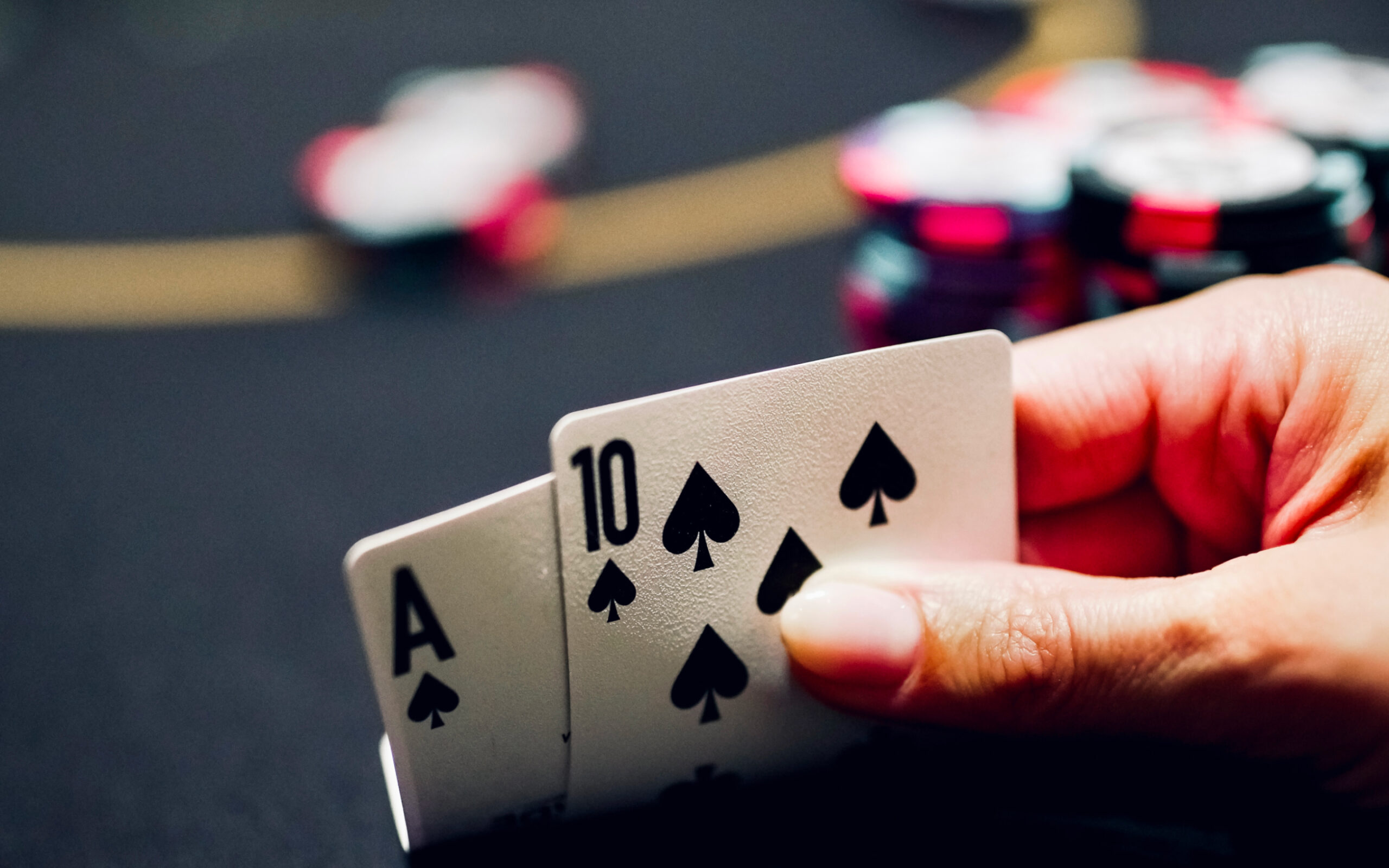
On dry boards such as high-card disconnected flops, smaller continuation bets are often sufficient. These boards rarely connect strongly with calling ranges, allowing efficient pressure without risking many chips. On wet and coordinated boards, however, larger sizing becomes important to deny equity to draws and protect strong holdings. Paired boards often use medium or polarized sizing to maximize fold equity against marginal hands. Monotone boards require selective aggression, as opponents may continue with flush draws or made flushes. The key is flexibility—adapting bet sizing dynamically ensures your strategy remains unpredictable and effective across all situations.
Strategic Benefits of Proper Adjustment
Adjusting c-bet sizes based on board texture improves win rates by increasing bluff and value efficiency. It reduces predictability and limits opponent exploitation. Over time, this flexibility strengthens table presence and boosts long-term profitability. Players who apply it consistently make better decisions under pressure and maintain a balanced strategy.
Conclusion
Learning how to adjust continuation bet sizes based on board texture is a powerful skill that elevates poker performance. By observing board structure and responding with appropriate sizing, players stay ahead of opponents and maintain control. Consistent practice leads to more confident decisions and a more adaptable poker style that performs well in any environment.